Nature Spring Foundation Boost Environmental Partnership with People’s Organization (PO) in Cebu, Misamis Oriental, and Davao through Capacity-Building Workshop
Nature Spring Foundation, Inc. (NSFI) has strengthened its environmental and community development efforts with its ongoing partnership with the DENR-recognized people’s organizations in Cebu, Misamis Oriental, and Davao City through Organizational Capacity Building Activities under its Watershed Environment for Environmental Resilience (WATER) Reforestation Project.
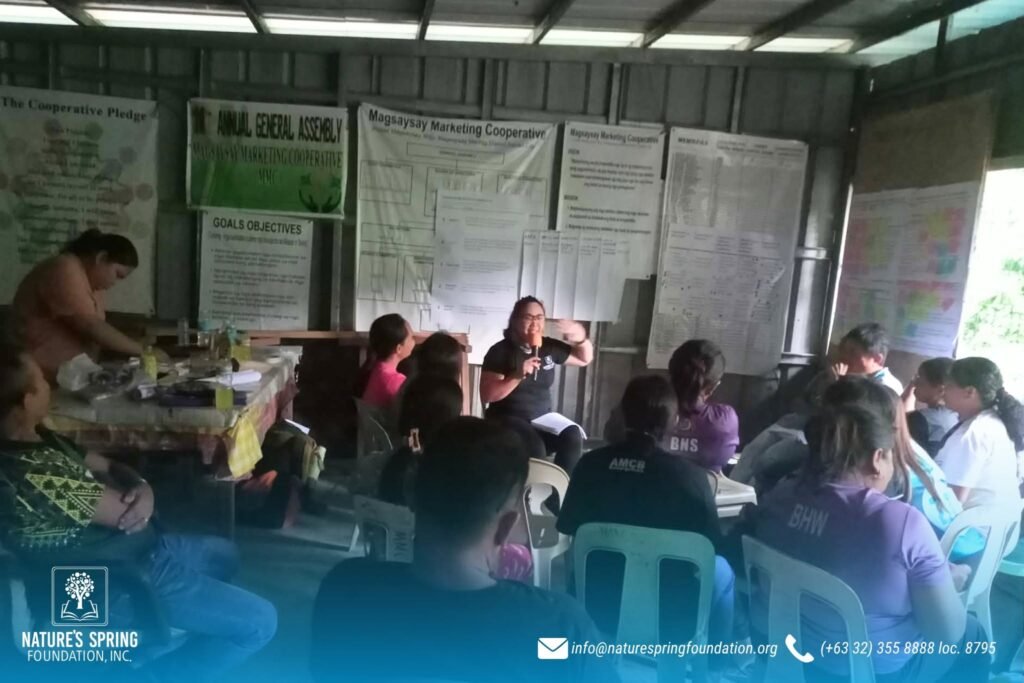
The initiative formally began in early June 2026 in Opol, Misamis Oriental with Makaluesa CBFM Farmers Association (Makaluesa) and in Magsaysay, Davao City with Magsaysay Marketing Cooperative (MMC) where the foundation initially launched its Organization Capacity Assessment (OCA). Following the initial rollout in Misamis Oriental and Davao, the assessment was later extended to the partner Farmers Associations in Alegria, Cebu as part of the program’s broader implementation strategy.
𝙊𝙧𝙜𝙖𝙣𝙞𝙯𝙖𝙩𝙞𝙤𝙣 𝘾𝙖𝙥𝙖𝙘𝙞𝙩𝙮 𝘼𝙨𝙨𝙚𝙨𝙨𝙢𝙚𝙣𝙩 𝙎𝙩𝙖𝙧𝙩𝙨 𝙞𝙣 𝘿𝙖𝙫𝙖𝙤
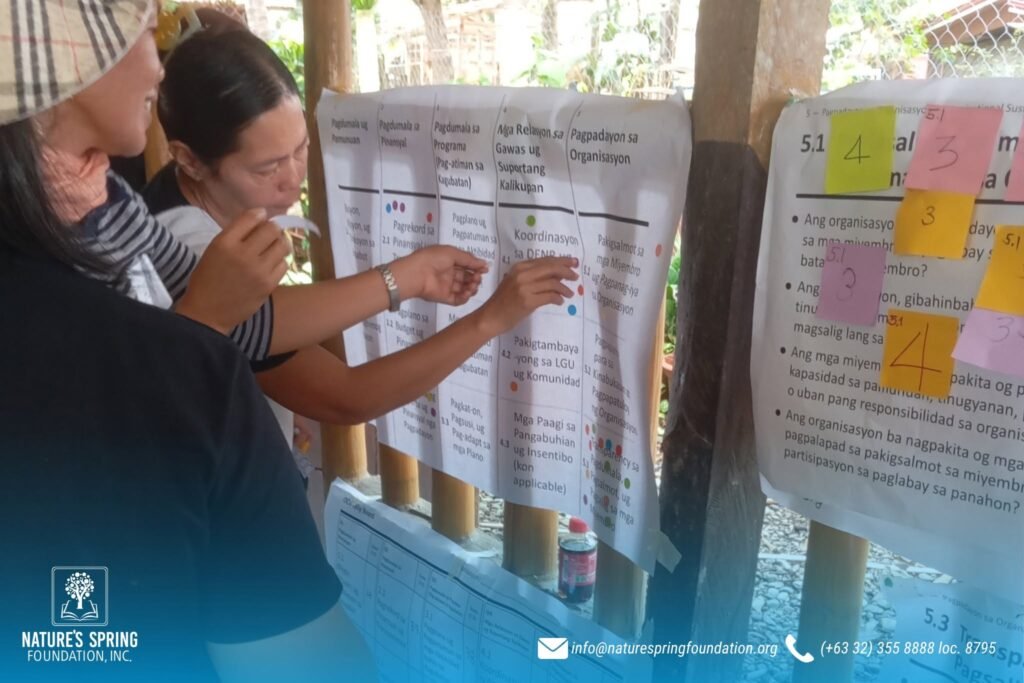
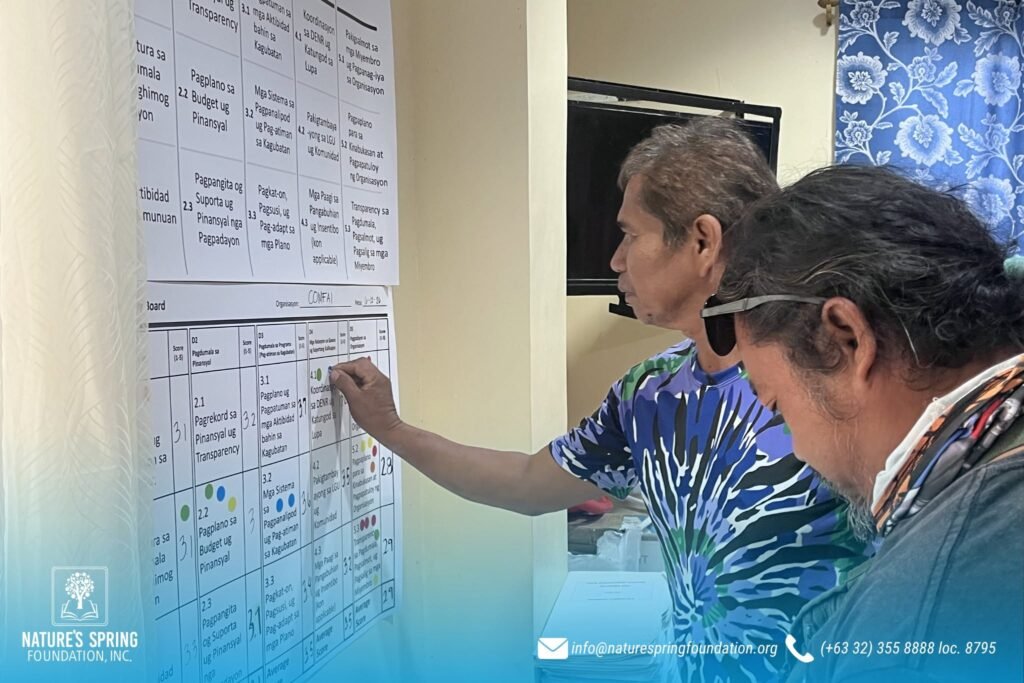
The Organization Capacity Assessment (OCA) serves as the foundation’s primary tool for evaluating the strengths, gaps, and development needs of partner organizations. Through this structured and participatory process, NSFI aims to better understand the internal capacities of farmers’ groups and design more targeted and effective interventions.
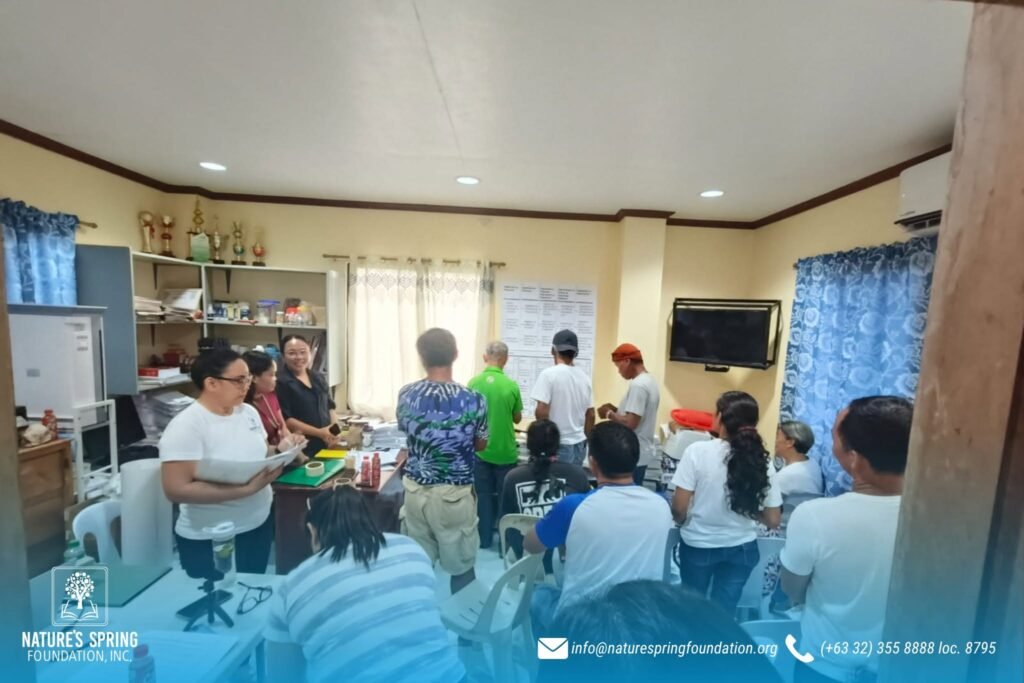
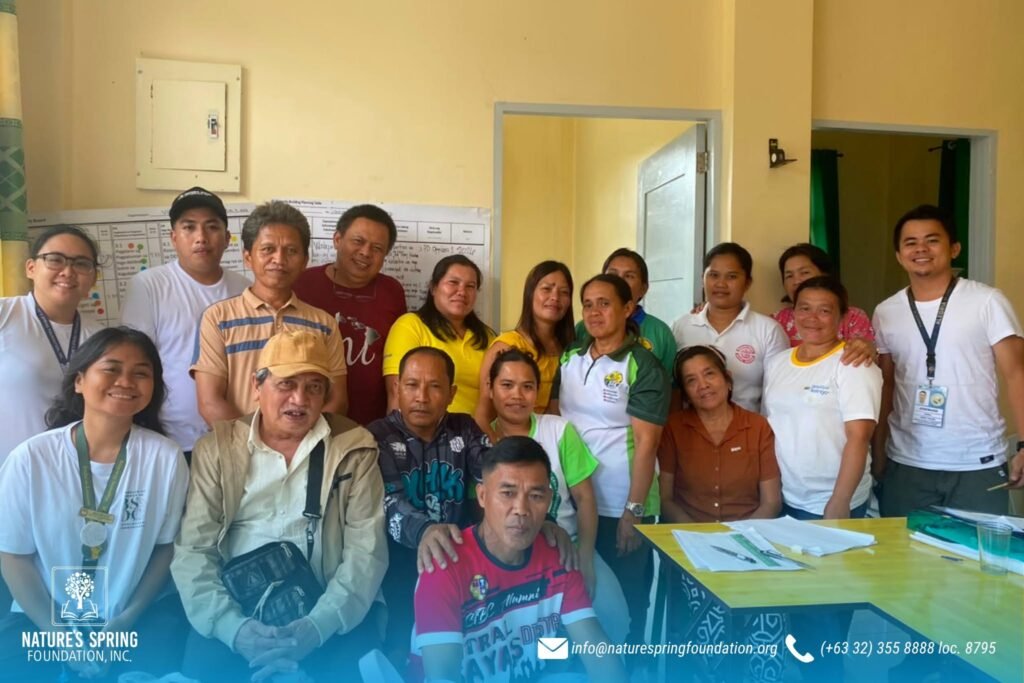
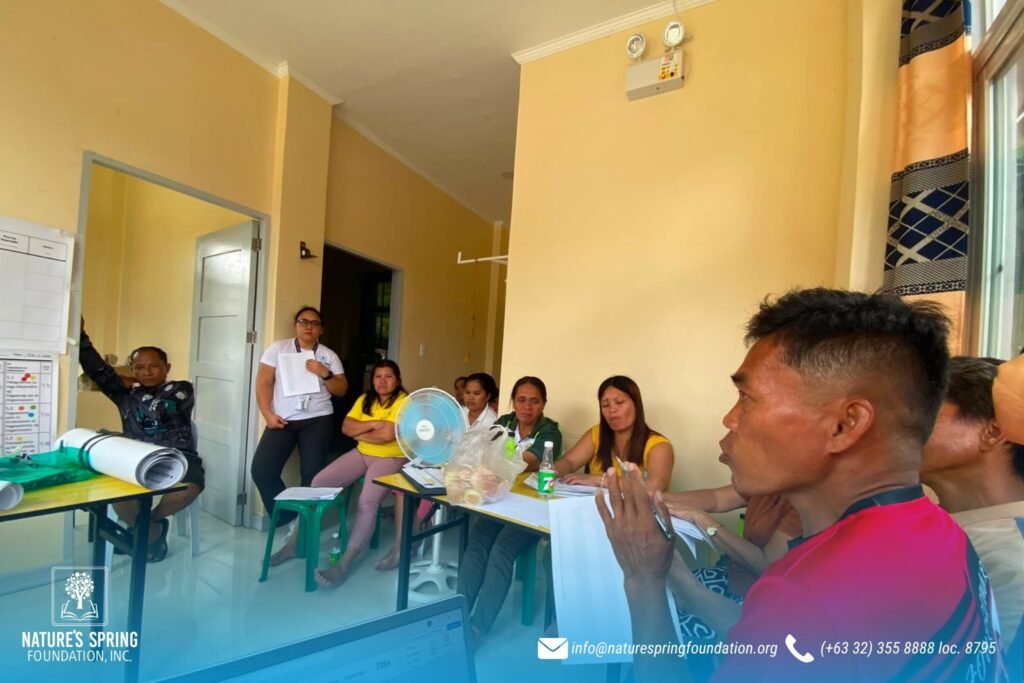
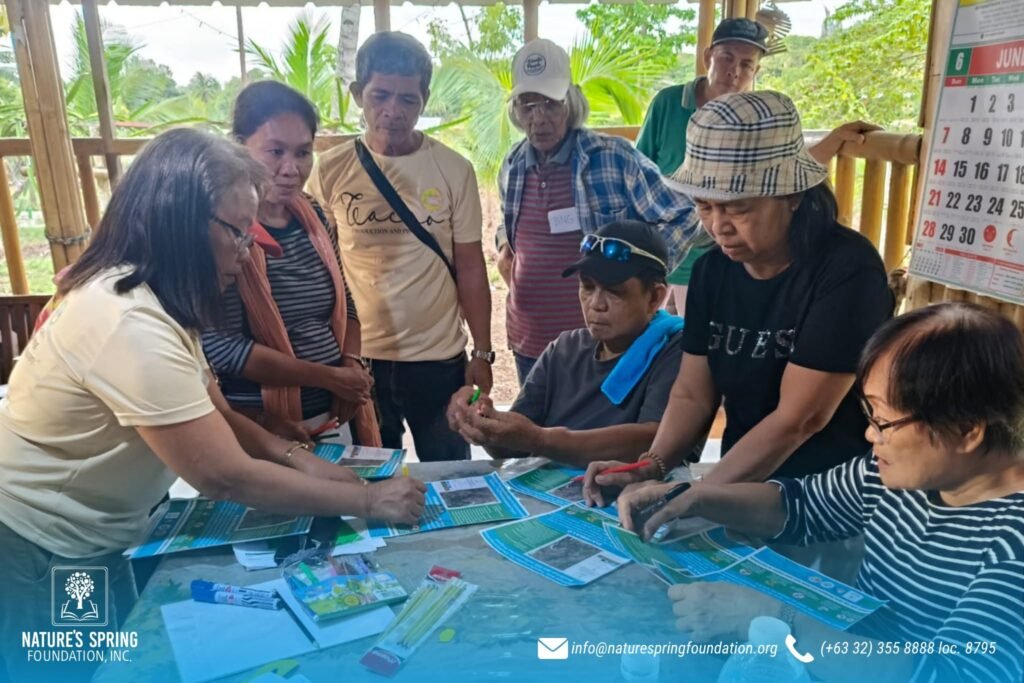
In its initial implementation in Misamis Oriental and Davao City, NSFI worked closely with Makaluesa and MMC through field visits, focus group discussions, and organizational capacity assessment and capacity building workshops. These activities provided a baseline understanding of the organizations’ current operations, challenges, and potential areas for capacity development.
Following the Misamis Oriental and Davao rollout, the OCA was subsequently conducted in Alegria, Cebu, reaching the four partner POs of NSFI with varying organizational structures and livelihood conditions.
𝙋𝙖𝙧𝙩𝙣𝙚𝙧 𝙁𝙖𝙧𝙢𝙚𝙧𝙨’ 𝙊𝙧𝙜𝙖𝙣𝙞𝙯𝙖𝙩𝙞𝙤𝙣𝙨 𝙞𝙣 𝘼𝙡𝙚𝙜𝙧𝙞𝙖, 𝘾𝙚𝙗𝙪
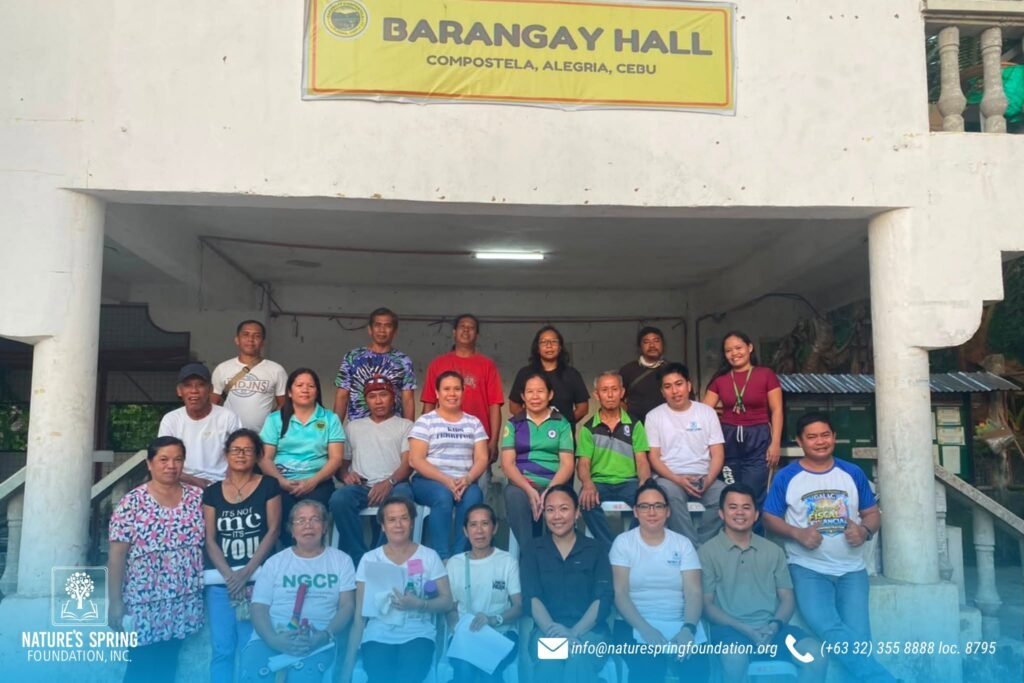
In Alegria, Cebu, NSFI engaged four major people’s organizations under the program:
Compostela Farmers Association Inc. (COMFA) in Brgy. Compostela
Guadalupe Upland Farmers Association (GUFA) in Brgy. Guadalupe
Lepantohanong Hugpong sa Kalamboan (LEHUK) in Brgy. Lepanto
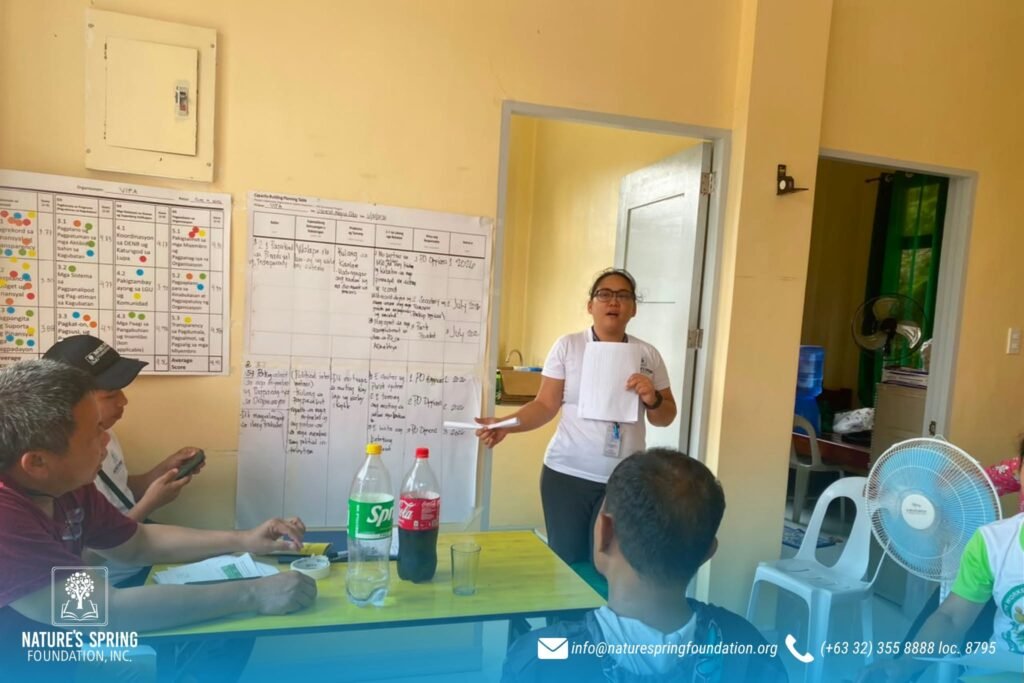
Valencia Inghoy Farmers Association (VIFA) in Brgy. Valencia
Each organization represents upland farming communities that face distinct environmental challenges, including forestland management constraints, limited access to technical support, and the need for stronger organizational systems.
𝙋𝙖𝙧𝙩𝙞𝙘𝙞𝙥𝙖𝙩𝙤𝙧𝙮 𝘼𝙨𝙨𝙚𝙨𝙨𝙢𝙚𝙣𝙩 𝙏𝙝𝙧𝙤𝙪𝙜𝙝 𝙁𝙞𝙚𝙡𝙙 𝙀𝙣𝙜𝙖𝙜𝙚𝙢𝙚𝙣𝙩𝙨
Across both Mindanao and Cebu, the OCA process involved focus group discussions (FGDs), key informant interviews, and community consultations with members and leaders of the partner people’s organizations. These participatory activities provided NSFI facilitators with valuable opportunities to engage directly with community members, understand their experiences, and assess the strengths and challenges affecting their organizations.
The field engagement also enabled participants to openly share their concerns regarding leadership, organizational management, member participation, resource mobilization, and the implementation of community-based initiatives. Through these discussions, NSFI gained a deeper understanding of realities faced by farmers and upland communities in managing their organizations, the forestlands, and sustaining their livelihoods.
Recognizing that each people’s organization operates within a unique social, economic, and environmental context, NSFI emphasized the importance of developing interventions that are responsive to the specific needs of each community rather than applying a one-size-fits-all approach. The findings gathered through the assessment will serve as a foundation for designing targeted capacity-building programs, strengthening organizational systems, enhancing leadership and governance, and improving the long-term sustainability of community-led development efforts.
By placing community voices at the center of the assessment process, NSFI continues to promote participatory development and empower local organizations to become more resilient, self-reliant, and capable of managing future opportunities and challenges.
𝙎𝙩𝙧𝙚𝙣𝙜𝙩𝙝𝙚𝙣𝙞𝙣𝙜 𝙀𝙣𝙫𝙞𝙧𝙤𝙣𝙢𝙚𝙣𝙩𝙖𝙡 𝙎𝙩𝙚𝙬𝙖𝙧𝙙𝙨𝙝𝙞𝙥 𝙖𝙣𝙙 𝘾𝘽𝙁𝙈𝘼 𝘼𝙬𝙖𝙧𝙚𝙣𝙚𝙨𝙨
A key component of the initiative is strengthening farmers’ understanding of the Community-Based Forest Management (CBFM), particularly its role in land tenure security and sustainable forest management.
Many of the participating communities depend on upland agricultural areas, making CBFM awareness critical in ensuring responsible land use practices and long-term environmental protection. NSFI aims to integrate this understanding into its capacity-building efforts to help farmers better manage their natural resources and secure their livelihoods.
Through the OCA results, NSFI aims to assist partner organizations in developing clearer goals, stronger governance systems, and more effective organizational structures. The foundation also seeks to strengthen leadership capacities and improve the ability of farmers’ groups to lead in CBFM activities, manage projects, sustain community initiatives, and access future livelihood opportunities.
Initial findings revealed that while the organizations exhibit strong community participation and collective action, they continue to require support in areas such as technical skills development, coordination mechanisms, and institutional strengthening.
According to Joem Lendio, OIC-MENRO from the Local Government Unit (LGU) of Alegria, the assessment comes at a crucial time as organizations prepare for the renewal and continuation of their community-based forest management initiatives.
“Timely kaayo ang pag-conduct sa assessment kay importante nga mapalig-on nato ang atong kapunungan, ilabi na nga hapit na ma-expire ang atong kontrata. Kabahin kini sa pagpalig-on sa organisasyon nga nagdumala sa 900 ka ektarya nga yuta nga gisalig sa komunidad. Importante nga magpabilin ta sa community-based approach tungod kay kini maoy epektibong paagi sa pagdumala sa komunidad ug sa pag-apil sa atong mga kailangan sa mga kalihokan. Kinahanglan usab nga masabtan sa mga miyembro ang ilang mga responsibilidad ubos sa CBFMA ug ang mga angay nilang buhaton,” he said.
Mr. Lendio emphasized that strengthening community organizations is essential to ensuring the sustainable management of forestlands and empowering local communities to take an active role in environmental stewardship and development initiatives.
𝙏𝙤𝙬𝙖𝙧𝙙 𝙎𝙪𝙨𝙩𝙖𝙞𝙣𝙖𝙗𝙡𝙚 𝘾𝙤𝙢𝙢𝙪𝙣𝙞𝙩𝙮 𝘿𝙚𝙫𝙚𝙡𝙤𝙥𝙢𝙚𝙣𝙩
As the assessment continues to guide program implementation, NSFI remains committed to fostering long-term environmental sustainability and community empowerment across its partner sites in Davao and Cebu.
The foundation expressed optimism that the collaboration will not only strengthen farmers’ organizations but also contribute to broader reforestation efforts, watershed protection, and sustainable upland development in both regions.
Through sustained engagement and community-driven planning, NSFI envisions empowered farming communities that actively participate in environmental stewardship while improving their livelihoods.
Looking ahead, NSFI is set to expand its partnerships further, including upcoming engagements with its other partner POs like the Dumagat Tree Growers Association in Doña Remedios Trinidad, Bulacan, and the Upland Organic Farmers Association in Siniloan, Laguna, as part of its continued commitment to empowering upland communities and promoting environmental stewardship nationwide.
_____________________________________________________________________________
 514-515 Serviced Offices, 5/F BAI Hotel, Mandaue City, Cebu 6014
 : info@naturespringfoundation.org
 : (+63 32) 355 8888 loc. 8795
𝗙𝗮𝗰𝗲𝗯𝗼𝗼𝗸: Nature’s Spring Foundation
𝗜𝗻𝘀𝘁𝗮𝗴𝗿𝗮𝗺: nsfoundationinc
𝗟𝗶𝗻𝗸𝗲𝗱𝗜𝗻: Nature’s Spring Foundation, Inc.
NSFIcares #NSFI #NSFIHealth #NSFIEnvironment #NSFIEducation #NSFIDisasterRiskReduction